
What Do You Lose if You Declare Bankruptcy in Tennessee?

When you’re considering bankruptcy, a prominent question in your mind may be, “What do you lose if you declare bankruptcy in Tennessee?” The answer to this really depends on your income and the type of bankruptcy you pursue.
Bankruptcy in Tennessee
Bankruptcy is a federal process, but each state creates its own exemption rules. These rules determine which property you can keep. There are two main forms of bankruptcy for individuals:
- Chapter 7. This process is more of a liquidation of assets, where some assets are sold to repay creditors.
- Chapter 13. This process is a reorganization of debts. You keep your property but must repay part of your debt through an established plan.
Tennessee has one of the highest filings of Chapter 13 bankruptcy in the United States. In 2025, 533,337 individuals filed for bankruptcy, and this doesn’t include business filings. Financial pressures can add up quickly in households, pushing people to pursue financial relief options.
What You May Lose if You Declare Bankruptcy in Tennessee
When you pursue bankruptcy, there are certain consequences or difficulties that can arise as a result. Some of the losses you may experience after bankruptcy include:
- Non-exempt property. These assets are not protected under Tennessee law and can include vacation properties and second homes, expensive jewelry, investment accounts, and other valuable collections. For Chapter 7 bankruptcy, a trustee can sell these assets to cover debts owed to creditors.
- Luxury items and assets of high value. If you own items considered luxury or not necessary for daily living, they’ll likely be sold. Bankruptcy court aims for fairness, which prioritizes paying the debt. Luxury items may include high-end electronics, recreational vehicles, and valuable artwork.
- Second vehicles or extra property. Bankruptcy may allow you to keep one vehicle used for primary transportation.
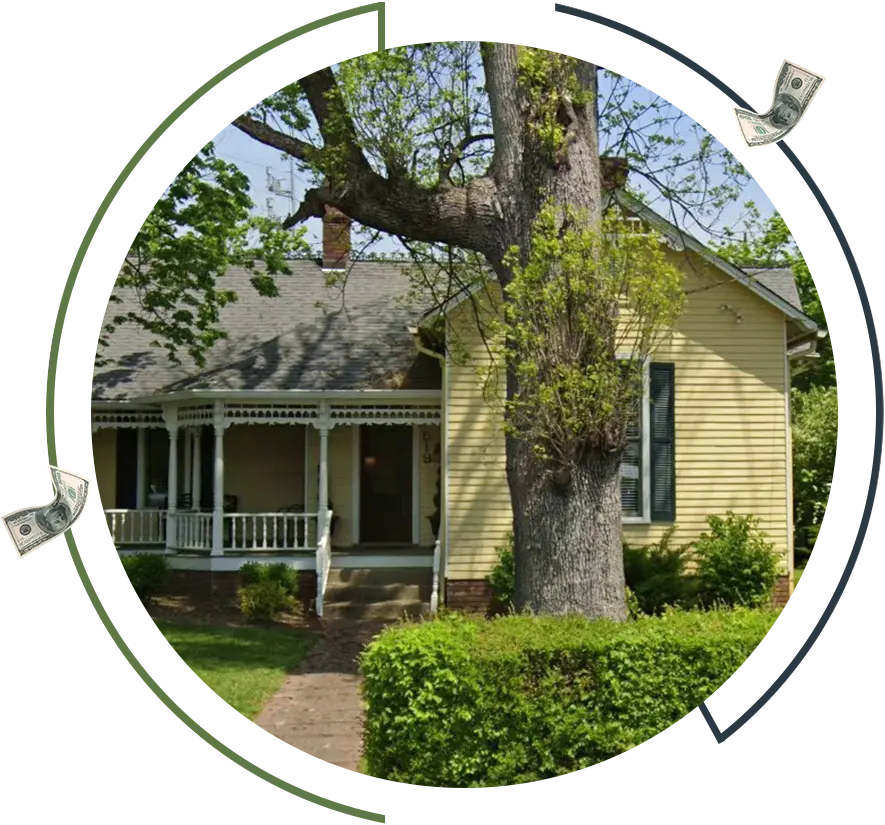
- Part of your home equity. A homestead exemption in Tennessee protects a portion of your home’s equity. If your equity exceeds the exemption, you could lose the home or be forced to sell it under Chapter 7 bankruptcy, or you could keep it by paying the excess value over a period of time under Chapter 13 bankruptcy.
- Tax refunds and available cash. Cash is one of the most vulnerable assets in bankruptcy. Creditors can take money you have in the bank, anticipated tax returns, and any large amount of physical cash you have on hand.
- Your credit score. Your credit score isn’t a physical asset, but it can still be greatly impacted by a bankruptcy filing. A bankruptcy stays on your credit report for many years after you file. It can take a significant amount of time to rebuild your score, which can impact your ability to buy a home, car, or other significant purchase.
Despite all of this, you won’t lose everything. Individuals generally get to keep clothing and household goods, retirement accounts, Social Security benefits, and tools needed for work.
Debts You Keep After Bankruptcy
Filing for bankruptcy doesn’t take away every debt. There are still non-dischargeable debts that do not qualify for bankruptcy filings. These include:
- Child support and alimony
- Student loans
- Certain tax debts
- Debts from fraud allegations
Most recent data from February 2026 showed that Americans have a combined student loan debt of $1.833 trillion. With the average college student leaving school with $39,547, this is a significant amount to carry without the option of having it eliminated through bankruptcy.
Why Hire a Bankruptcy Lawyer?
A skilled bankruptcy lawyer works to identify which assets are protected by Tennessee exemptions. They help you choose between Chapter 7 and Chapter 13 bankruptcies and determine which is the better option for you. They can also help you protect cash by timing your filing.
It’s time to hire a bankruptcy lawyer when you own a home or significant assets, and you’re behind on payments. If you’re experiencing wage garnishment or collection actions, an experienced attorney can help.
Kerney Law Firm is dedicated to helping clients find the bankruptcy solutions that meet their needs. We prioritize clear communication and tailoring strategies to fit your unique situation.
We have a deep understanding of Tennessee bankruptcy laws, and we have worked closely with the U.S. Bankruptcy Court for the Middle District of Tennessee. Whether you’re dealing with credit card debt, medical bills, or are facing foreclosure, Kerney Law Firm can guide you through the process of regaining control of your financial situation.
FAQs
What Two Debts Cannot Be Erased?
The two main debts that cannot be erased generally include student loans and child support obligations. Student loans are rarely discharged, but undue hardship may lead to an exception. However, that can be difficult to prove. Child support and alimony are treated as priorities, meaning they must be paid regardless of filing for bankruptcy.
Can I Keep My Car if I File Chapter 7 in Tennessee?
Yes, in many cases, you can keep your car if you file Chapter 7 in Tennessee. However, it may ultimately depend on the loan status and the value of the vehicle. You’ll need to stay current on your loan payments if the vehicle is financed. In general, filers are allowed to keep one primary vehicle during bankruptcy proceedings.
Do You Lose All Your Money if You Declare Bankruptcy?
You do not lose all your money when you declare bankruptcy. Tennessee has certain protections in place to protect filers. These protections usually cover Social Security benefits, retirement accounts, and a portion of your bank account balance. Large amounts of cash or valuable assets may be sold to cover some of the debts accrued.
What Assets Cannot Be Touched in Bankruptcy?
In bankruptcy proceedings, several assets that cannot be touched include retirement plans, Social Security benefits, and household goods and clothing needed for daily living. Tennessee law also protects some of your home equity through the homestead exemption. These protections are meant to allow you to continue to meet a basic standard of living while still honoring your commitment to repay debts.
Contact Kerney Law Firm Today
Navigating bankruptcy on your own can be confusing, but Kerney Law Firm can help. Reach out to us today to schedule a consultation with one of our experienced bankruptcy attorneys and learn more about what you may lose if you declare bankruptcy in Tennessee.
Contact Our Firm
We’re Ready To Help.Contact Us Today.

© 2026 Kerney Law Firm. All Rights Reserved.
Digital Marketing By 
*Images are obtained under license from Canva and other third-party stock image providers, with attribution included where required.