
Chapter 7 Vs Chapter 13 in Tennessee: Which Is Right for You
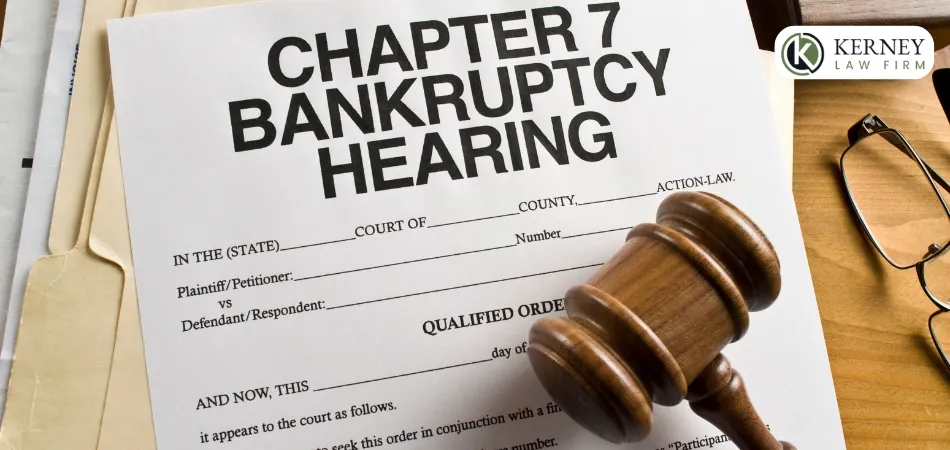
When you’re evaluating your debt relief options, understanding Chapter 7 vs Chapter 13 in Tennessee is often the first step for those trying to decide how to regain control of their finances. Each bankruptcy chapter serves a different purpose, and choosing between them can have a significant effect on your assets, income, and long-term financial outlook.
About Us
For more than 20 years, Kerney Law Firm has exclusively focused on bankruptcy law. That focus has given us a thorough understanding of the process and a proven track record when it comes to helping people work through difficult financial situations so they can move forward.
Understanding Bankruptcy in Tennessee
Bankruptcy is a federal legal process designed to help individuals and families either eliminate debt or set up a manageable way to repay it. Even though the rules come from federal law, people in Tennessee still have to follow the state’s exemption rules and local court procedures.
In one year, from March 2025 to March 2026, there were 369,702 Chapter 7 filings and 211,700 Chapter 13 filings across the United States. In addition, 2025 saw an 11.9% increase in bankruptcy filings.
For most people, Chapter 7 and Chapter 13 are the two main types of personal bankruptcy. Both can immediately stop actions like creditor calls, wage garnishments, repossessions, and foreclosure through what’s known as the automatic stay, but they work very differently once the case moves forward.
What Is Chapter 7 Bankruptcy?
Chapter 7 bankruptcy is often called liquidation bankruptcy. Liquidation bankruptcy is a type of discharge where some of your property might be sold to help you pay off what you owe. After that, most of your remaining eligible debts are wiped out, giving you a fresh financial start. Some forms of unsecured debts that could be discharged include:
- Credit card balances
- Medical bills
- Personal loans
- Utility arrears
- Certain old lease obligations
In many Chapter 7 bankruptcy cases, debtors don’t lose any property because Tennessee exemptions protect important assets like the primary residence, household items, retirement accounts, and personal vehicles up to certain limits. Chapter 7 is usually completed in a few months, making it one of the fastest ways to obtain debt relief.
What Is Chapter 13 Bankruptcy?
Chapter 13 is commonly known as a wage earner’s plan. A wage earner’s plan is a type of discharge that lets you repay your debts over time through a structured payment plan based on your income. Instead of wiping out debt right away, you make monthly payments for a set period of time, and any remaining eligible debt might be discharged at the end. You should consider Chapter 13 if you:
- Have a regular income
- Are behind on mortgage payments
- Want to prevent foreclosure
- Need to catch up on car payments
- Have nonexempt property you want to keep
- Earn too much to qualify for Chapter 7
Because of the flexibility provided under Chapter 13 bankruptcy laws, many homeowners use Chapter 13 to save their homes, with Tennessee exemptions available to protect home equity up to a certain amount, as well as car loans and household items.
Key Differences Between Chapter 7 and Chapter 13 in Tennessee
Understanding the differences between Chapter 7 and Chapter 13 is an important step when you’re deciding how to move forward with debt relief. While both options are designed to help individuals facing financial hardship, they work in very different ways and can lead to very different outcomes. Some key differences include:
- Chapter 7 eliminates qualifying unsecured debts, while Chapter 13 reorganizes debt into a structured repayment plan.
- Chapter 7 usually finishes in a few months, while Chapter 13 cases can last several years before an outcome is reached.
- Chapter 7 is based on income eligibility, while Chapter 13 requires a steady income to qualify.
- Chapter 7 can temporarily stop foreclosure through the automatic stay, but it doesn’t provide a way to catch up on missed mortgage payments. Chapter 13 can stop foreclosure and allow you to repay overdue mortgage payments over time.
The right option for you depends on your financial situation and your goals, especially if you’re trying to protect assets or stop foreclosure. Both chapters are governed by federal bankruptcy law, which sets the rules for how repayment plans are structured and enforced.
FAQs
Can a Bankruptcy Stop a Civil Claim?
Yes, a bankruptcy can stop a civil claim. Filing bankruptcy triggers the automatic stay, which generally stops pending collection claims, default judgments, and most civil actions related to debt. This protection can pause court hearings, bank levies, and collection calls while your bankruptcy case is active. That said, bankruptcy won’t halt criminal or family law proceedings.
Can I File for Bankruptcy if I Own a Small Business?
Yes, you can file for bankruptcy if you own a small business. Those who own sole proprietorships often file personal bankruptcy to address business-related debt. Chapter 7 might eliminate unsecured obligations, while Chapter 13 can provide a structured repayment plan. The impact depends on business assets, contracts, and whether debts are personally guaranteed.
Can Bankruptcy Affect My Security Clearance?
No, bankruptcy doesn’t affect your security clearance, as it won’t trigger an automatic security clearance denial or revocation. In many situations, addressing overwhelming debt through bankruptcy can demonstrate responsible financial management. Government agencies often view unresolved delinquent debt as a greater concern than seeking lawful relief. However, there can be exceptions, so carefully follow all disclosure requirements.
Can I Discharge Debt From a Divorce?
You can discharge debt from a divorce under certain circumstances. Some divorce-related debts might be eligible for discharge, but certain obligations like child support and alimony generally survive bankruptcy.
Property settlement debts are treated differently depending on the chapter filed and the circumstances involved. Bankruptcy can still provide relief by canceling other debts and freeing income to meet family obligations.
Hire a Chapter 7 Bankruptcy Lawyer and Take the First Step Toward Financial Relief
When you hire a Chapter 7 bankruptcy lawyer, working with a local firm can make a real difference in how smoothly your case progresses. At Kerney Law Firm, we routinely handle cases in the United States Bankruptcy Court for the Middle District of Tennessee and the Fred D. Thompson U.S. Courthouse and Federal Building.
Each courthouse has its own local practices and preferences, and knowing how those differences play out in real cases allows us to better guide our clients through the process.
Contact us today to schedule a consultation.
Contact Our Firm
We’re Ready To Help.Contact Us Today.

© 2026 Kerney Law Firm. All Rights Reserved.
Digital Marketing By 
*Images are obtained under license from Canva and other third-party stock image providers, with attribution included where required.